


The birth of bounce-back culture
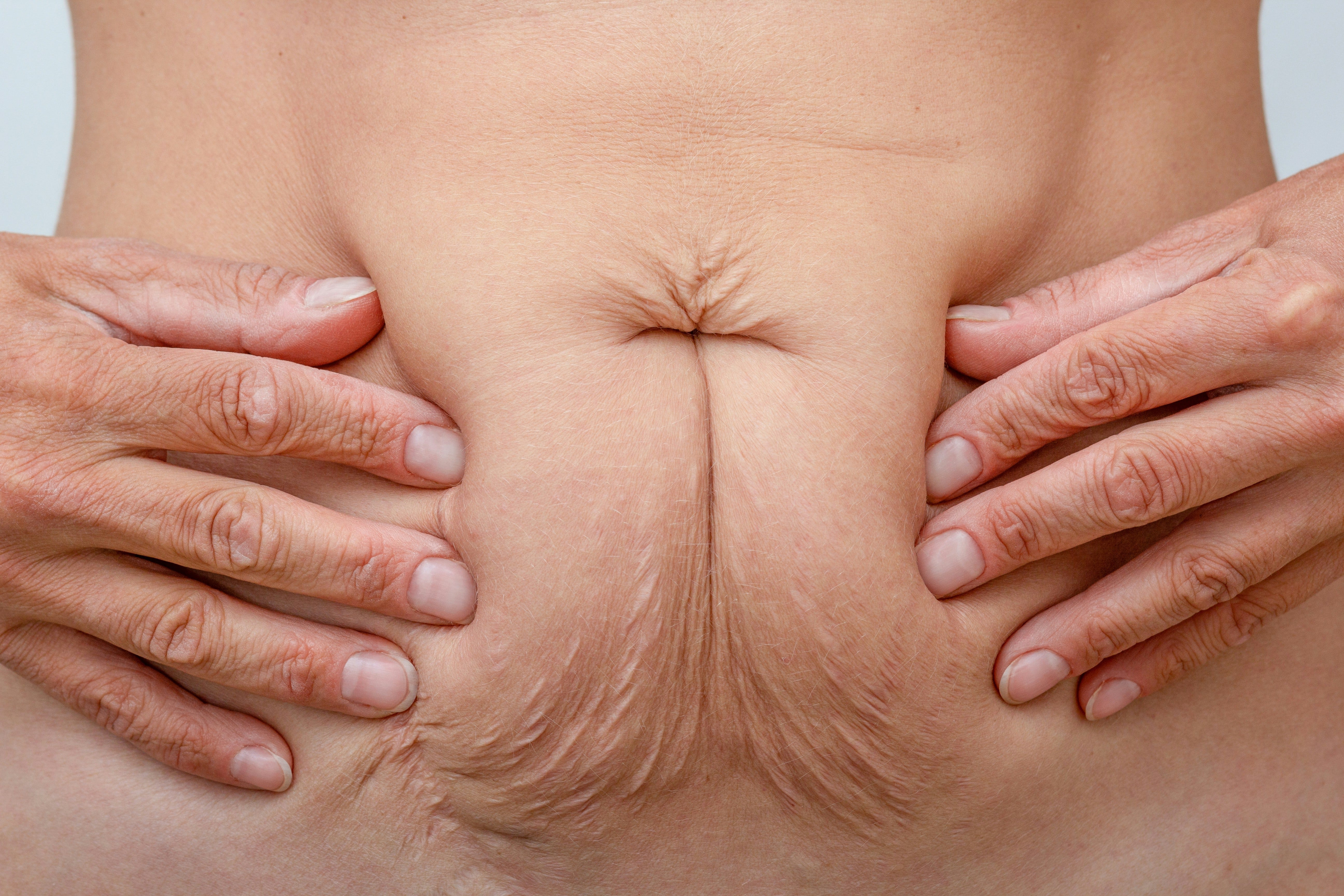
For most of human history, no one expected a new mother to bounce anywhere. Almost every culture built the opposite instinct into its traditions: a protected stretch of rest after birth, weeks of it, with other women doing the cooking and the caring while the mother healed. Europe called it lying-in and gave it a month or more. Latin America has la cuarentena, forty days. Chinese families call it “sitting the month”; in parts of India it is jaapa, the same forty-day idea. The details differ, but the principle is identical, and it turns up independently on every continent. Birth opens the body — the body needs time to close, and the job of everyone around the mother is to buy her that time. They had no understanding of the real physiology of either birth or postpartum, but their instincts were still right. Recovery had to happen, and they made sure it did.
“Bounce back” culture is the inversion of all of that, and it is remarkably recent. It came out of the celebrity weeklies of the mid-2000s — Us Weekly, People, OK! — during the exact years those magazines discovered that covers with famous mothers and babies sold in enormous numbers. Under Janice Min, who edited Us Weekly from 2003 to 2009, its circulation more than doubled — from around 800,000 to nearly two million — on exactly this content: the bump, then the adorable baby, then the astonishingly fast return of the pre-baby body. The tabloids ran it like a sporting event. Marcia Cross lost the weight from twins in three months. Halle Berry was on a red carpet six weeks after delivery. Nicole Kidman’s post-baby body was declared “Already Hot After 2 Weeks”. Heidi Klum walked the Victoria’s Secret runway two months after giving birth. More recently, Barbara Palvin made headlines when she too walked the same runway just six weeks postpartum.
What none of the covers mentioned, though, was all the expert support these women have. A celebrity dropping the baby weight in a month has a personal trainer at $250 an hour, a chef preparing her meals, a night nurse so she can sleep, and three assistants so she can train every day. What was sold to ordinary women was the result without acknowledging the expensive process behind it - which made a physiological near-impossibility look like a simple matter of willpower. If you didn’t bounce back, the unspoken logic went, you were lazy. And that is impossible to live up to, unless you happen to come with full-time staff.
There is a small, telling coda. In 2012, Janice Min herself — the very editor who had built the post-baby-body genre — wrote a New York Times piece complaining about the pressure she felt to lose her own baby weight, recalling the moment her nail technician, four months on, still thought she was pregnant. She admitted she was partly to blame. She had, after all, spent six years selling the exact standard that was now sitting on her own chest. Even the architect couldn’t live in the building.

Recalibration takes more than six weeks
After birth, your hormones don’t return to where they were. They spend months resetting, often to permanent new levels. A 2026 study in Science Advances went through more than a million blood tests across pregnancy and the year after, and found the body’s systems recalibrate at very different speeds — some in months, some still moving past the first year. This whole reset takes about two years, and medical practice follows you for only the first six weeks of it.
For example, the thyroid undergoes dramatic changes. During pregnancy, it increases the secretion of hormones by more than 30% to support the development of the foetus. For most of us it readjusts itself within six weeks of birth. But in about one woman in twenty, the immune system “overcorrects” when trying to return to baseline, and it begins to attack the gland. This is known as postpartum thyroiditis, which only surfaces two to six months after birth, once the check-ups have stopped. First it runs you hot and sleepless. Then it flips, and for months leaves you cold, flattened and unable to shift a pound. To make matters worse, many of these symptoms get dismissed as part of general “motherhood” fatigue, and a lot of women go undiagnosed.
Your metabolism goes through profound changes too. Pregnancy deliberately makes you insulin-resistant, to push more glucose to the baby, and that doesn’t always switch off at delivery. Sometimes it simply stays on, which is why the weight can creep up postpartum (for me it did; I had a classic case of gestational diabetes, and then insulin resistance stayed on postpartum).
And there is another myth to clear up on the way, because everyone tells you breastfeeding melts the baby weight off. For plenty of us it does the opposite. Prolactin, the hormone responsible for milk production, also drives your appetite up and slows the breakdown of fat. That’s the body’s way of holding onto its reserves to protect the milk supply. The metabolic shift of pregnancy runs until weaning, not just until delivery, so you spend the whole of breastfeeding in a fat-holding, permanently hungry state.
Because breastfeeding keeps prolactin high and oestrogen low, once you wean, prolactin falls away within days while oestrogen and progesterone gradually return to their pre-pregnancy levels. For a lot of us that brings its own low wave of flat mood, anxiety, even a strange grief (known as weaning grief). All of this can happen a year or more after the birth, along with the return of your period, which in and of itself can be a disconcerting event.
Why do we want women to bounce back?
The biology is old. What’s newer is the expectation that you’ll override it so you can return to your former productive self. “Bounce back” is really the hustle culture of the girlboss years, following us home into motherhood.
The same voices that told us to keep our foot on the gas pedal, build the empire, wear our exhaustion as proof of ambition, did not pack up when we had babies. Think of the celebrities who set the standard in the first place. The same demand was made of them: get off the delivery table and back onto the red carpet or the runway, back to filming, back to performing. What started as a rule for famous women with full-time staff became a rule for the rest of us, minus the staff.
I watched a version of this up close. My own gynaecologist was pregnant with her fifth while I was pregnant with my first, and she had scheduled her own induction for a date that best suited her appointment calendar. Then she was back delivering other people’s babies a week later. I have no idea how she did it — to me she was superhuman. But I’m not sure whether to read that as heroic or as the whole problem in one woman. Probably both, because it tells you how deep the expectation runs when the people paid to understand postpartum recovery are the ones modelling how to skip it.
So you come out of birth utterly shattered, both physically and mentally, but society tells you to look and act like nothing ever happened. Perform like nothing’s changed. Look, from the outside, as glamorous and attractive as ever. A “momshell”.
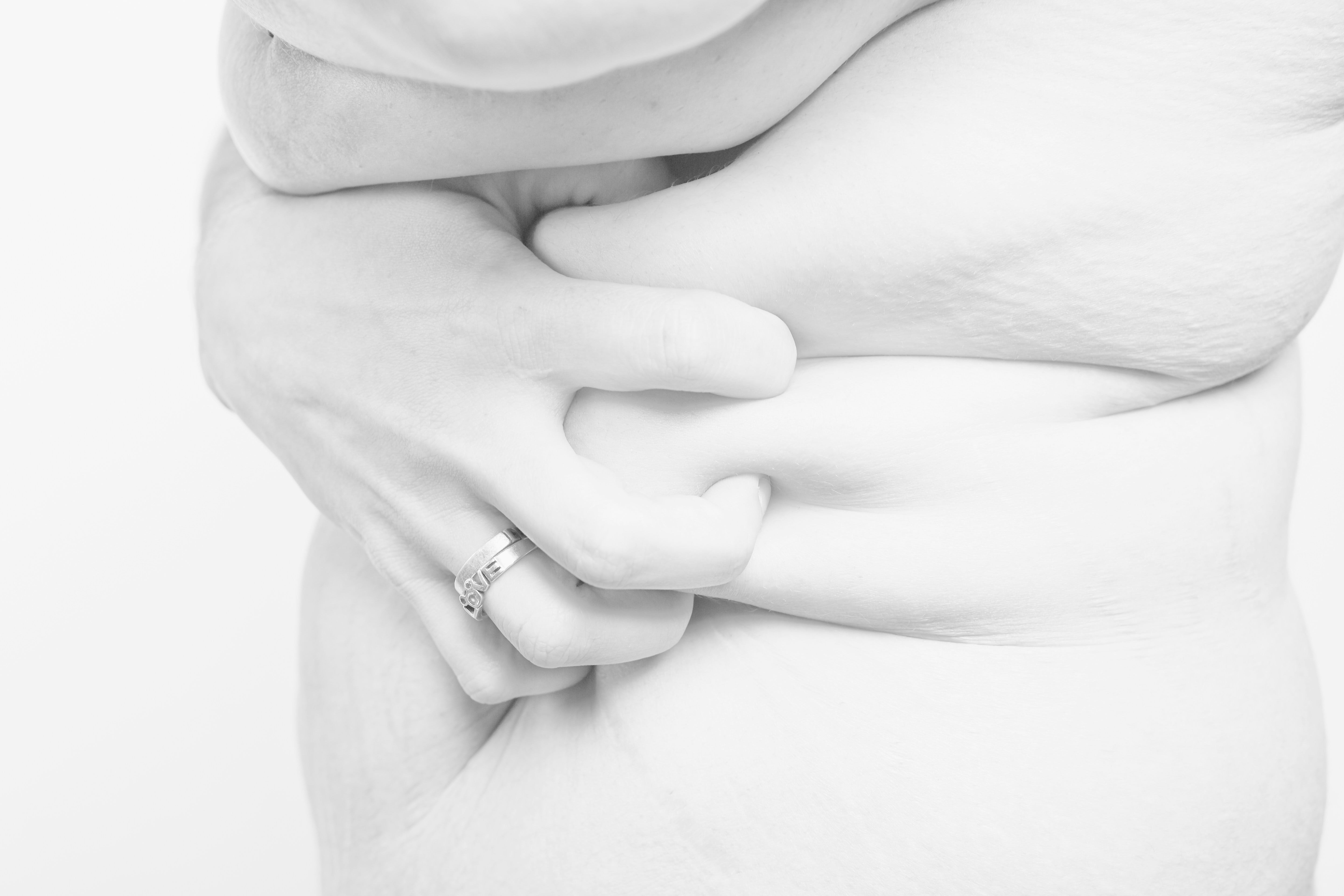
There is nothing to bounce back to
It would be ridiculous to expect teenage girls to come out of puberty looking unchanged. But that’s exactly what we expect of mothers. Even though the hormonal and physiological changes that women go through during pregnancy and postpartum are as significant as those we undergo in adolescence, for whatever perverse reason modern society has completely dismissed them.
It seems that, throughout our reproductive years, we are expected to maintain the same baseline of physical attractiveness, exude the same sex appeal, and live up to the same impossible beauty standards. Standards that have become even more absurd with the proliferation of social media trends promoted by influencers whose faces and bodies have been surgically altered beyond recognition.
You cannot go back to your old self because you are someone new now.
And that’s biology, not laziness.
Oh my goodness, the lies about breastfeeding 'melting away' the baby weight - when I was breastfeeding I was hiding in a walk-in cupboard eating secret bars of chocolate, because I had wild cravings for chocolate. I don't normally have a sweet tooth!
While my body won't ever be the same - my stomach looks like the one in the picture these days - 5 years between having my son and now, have mellowed my attitude to it BUT it would be really great if we as a society could stop the madness and pressure to snap back to how we were before.