


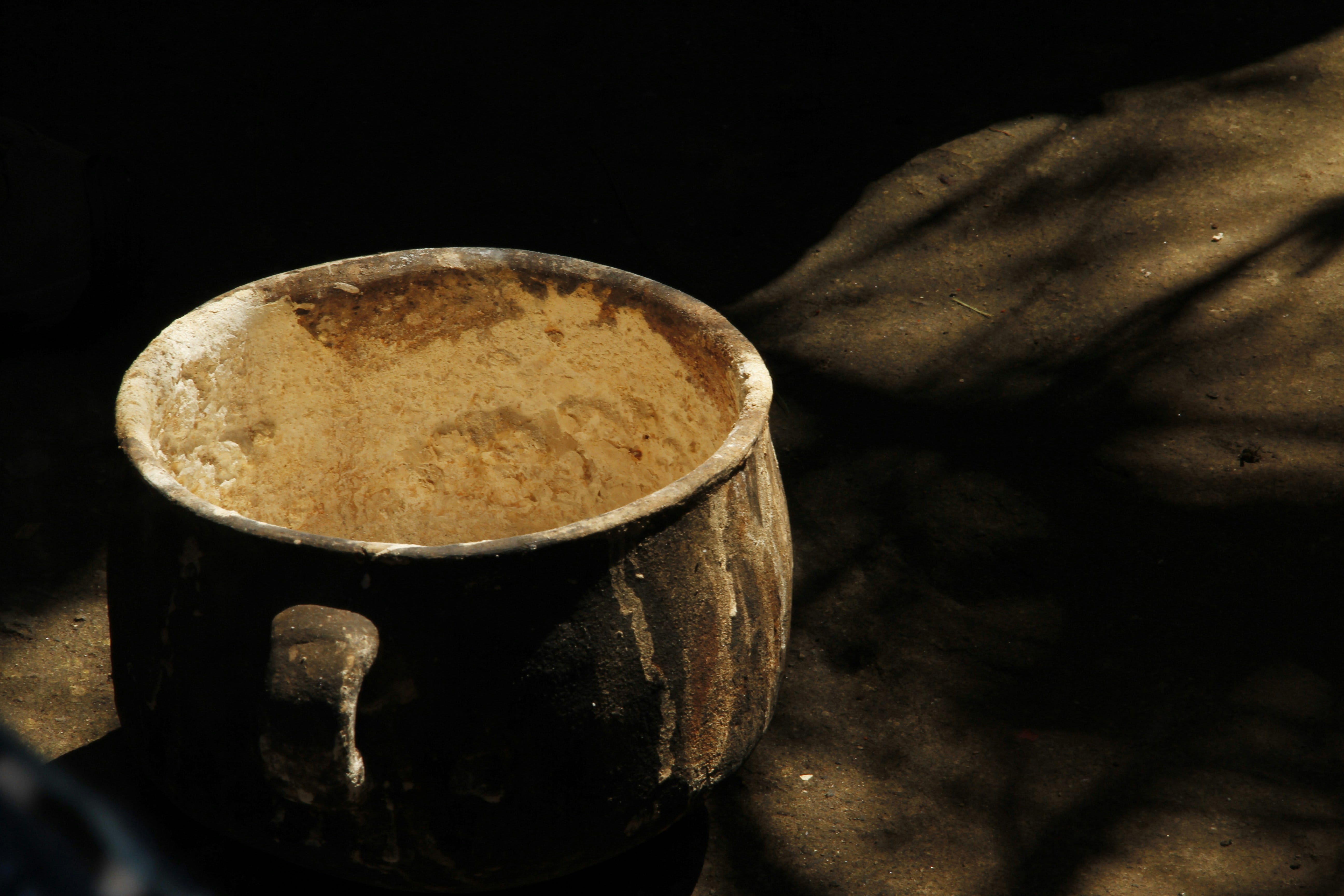

In 17th-century England, people sometimes used the expression “giving caudle” as a euphemism for giving birth.
Caudle was a hot cocktail made from thin gruel mixed with wine or ale, sweetened with sugar and usually spiced with cinnamon or mace. Not only was it given to the woman in labour, but her attendants enjoyed it as well. Once the baby was born, the drink was served to visitors at all-female “taking caudle” parties.
Caudle wasn’t just a libation for making merry - it was believed to have specific fortifying and medicinal properties. In fact, one 17th-century recipe in the English Recipe Book, titled ‘A Caudle for a woman having a flux in childbed’, was written specifically for excessive postpartum bleeding.
Most medical understanding at the time was based on the theory of the four humours, which had been the dominant medical theory since the 5th century BC, when Hippocrates is credited with developing it.
A woman who had just given birth was deemed to have lost an immense amount of vital heat and blood; her body was considered cold and empty, and the remedy needed to be hot, wet and “binding” to restore her internal equilibrium.
The 17th-century European approach to postpartum care shared an almost identical underlying philosophy with other traditional medical systems around the world - Traditional Arabic and Islamic Medicine (Unani Tibb, which also derives directly from humoral theory), Traditional Chinese Medicine, Indian Ayurveda and even African healing traditions.
They all viewed the body through a foundational lens of thermal balance and energetic depletion, with healing foods intended to restore this elemental balance.
Their postpartum diets rested on the same four pillars.
Fortifying porridges
Grains were boiled into thick porridges, which were thought to act as physical “binders”. They were easily digestible and provided immediate energy without straining a weakened digestive system, while physically supporting what was viewed as an “empty” abdomen.
Across India, mothers were fed wheat-based halwas and porridges enriched with therapeutic gums like gond (acacia gum). The Chinese relied on iron-rich black-sesame paste, sweet glutinous rice and millet congee to tonify qi and replenish blood. Ethiopians prepared an elaborate, volcano-shaped roasted barley porridge, while the Zulu used stone-ground maize meal to make a smooth porridge known as isidudu.
Therapeutic fats
There is an almost sacred reverence for therapeutic fats.
In both Unani Tibb and Ayurveda, fats are recognised as vital carrying agents (or anupanas in Ayurveda). During jaapa in India, medicinal ghee was eaten to stoke the woman’s agni - the digestive fire - while in Unani Tibb, warming and carminative herbs were slowly simmered in ghee.
In Traditional Chinese Medicine, sesame oil helps prevent postpartum constipation, nourish the blood, liver and kidneys, and protect the body’s internal energy pathways (known as the meridians) against the intrusion of cold wind. So, during the postpartum confinement period of zuo yuezi, it is used as the main cooking medium for frying warming yang foods such as ginger and animal proteins.
Ethiopians made niter kibbeh, a spiced clarified butter, by slowly simmering butter with highly aromatic, warming botanicals like fenugreek, sacred basil and korarima (Ethiopian cardamom). The hot mixture was then poured into the volcano-shaped genfo porridge, which is still eaten today.
All these cultures appreciated fat not just as a flavour enhancer. They saw it as an internal emollient, cushioning depleted organs and helping deliver the herbal medicines the body needed to absorb.
Rebuilding proteins
Animal proteins were considered essential across the globe for rebuilding what pregnancy and childbirth had consumed. Animal protein was seen as a means of transferring vital energy (qi, ruh or prana) back into the depleted body. Broths and meats were simmered for hours, heavily seasoned with the warming spices of each culture, creating easily digestible, nutrient-dense decoctions meant to “engender good blood”.
The belief is clearest in the Chinese postpartum dish zhu jiao cu - pig’s trotters slow-cooked for hours in black rice vinegar and aged ginger. According to TCM, the broth would help replenish lost blood, fortify the liver and even encourage the uterus to contract back to its original size.
In parts of Africa, mothers ate intensely spiced, medicinal soups made from slowly simmered fish, chicken or goat, infused with regional spices thought to prevent infections, “cleanse” the uterus and promote internal healing. These spices included indigenous uda (grains of Selim) and uziza (Ashanti pepper).
Ayurveda prescribed the healing mamsa rasa (mamsa means meat, and rasa means juice) - clear, long-simmered lamb or mutton broths - as well as warm milk infused with saffron, cardamom and almonds. Hard-to-digest meats were forbidden because agni was disturbed after birth.
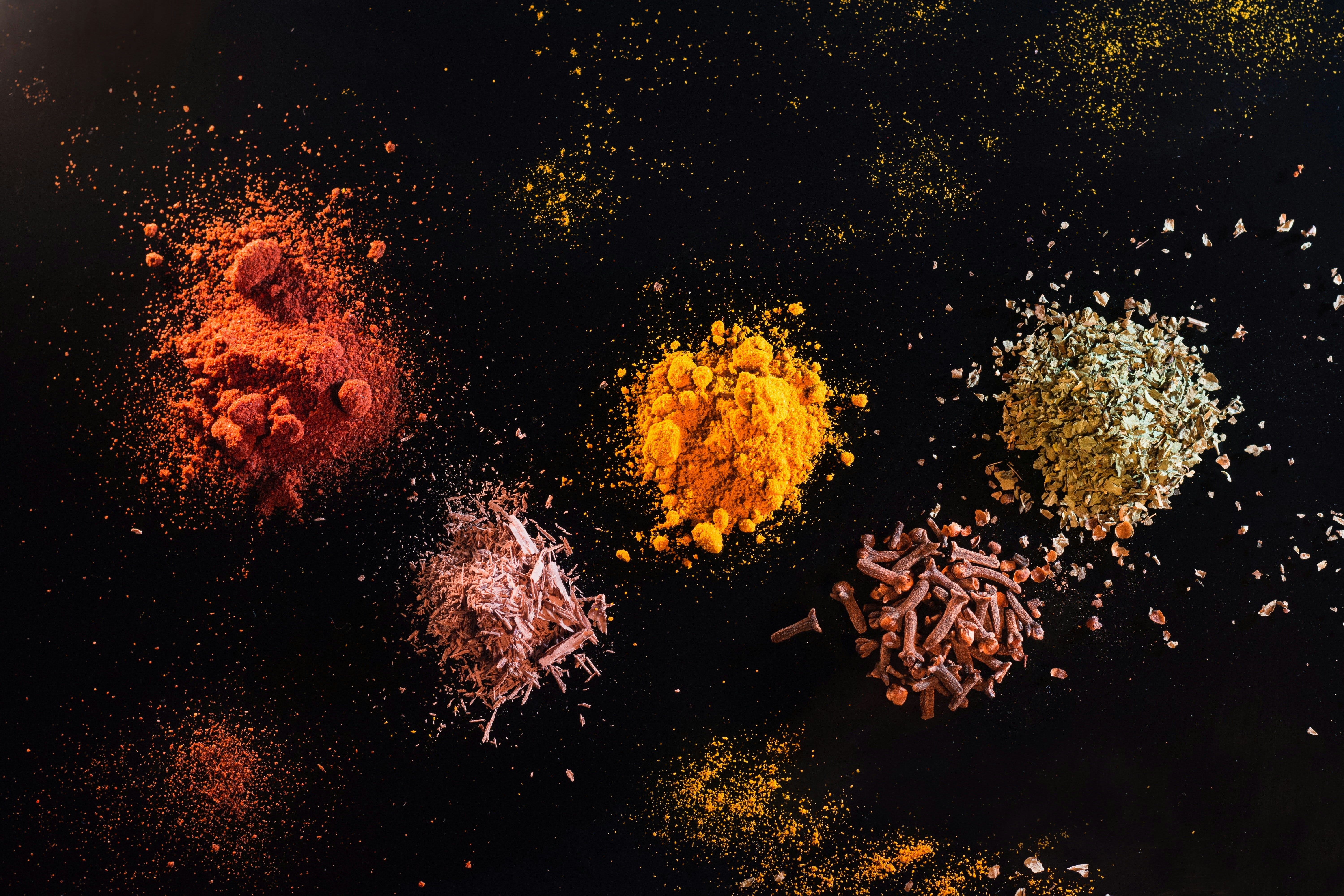
Warming and carminative spices
Spices and healing botanicals were used throughout these traditional postpartum cuisines, both for their warming and their carminative properties.
African cultures reached for their potent, wood-smoked peppers to season the hot broths they prepared for new mothers. The Chinese used generous amounts of ginger and cinnamon bark. Both traditions held that the heat of these spices would stimulate blood circulation, help the womb expel any remaining debris, and encourage milk production. TCM also used warmth strategically to counteract the cold, damp qualities of yin.
While African and Chinese traditions used their spices primarily for their warming properties, Indian Ayurveda and Unani Tibb also used spices to help restore a new mother’s delicate digestion.
Arab physicians taught that labour fundamentally weakened hazm - the digestive process - a belief similar to that held in Indian Ayurveda, where a woman had an aggravated vata dosha after birth, which in turn destabilised her digestion. The Indian counterpart to hazm was agni, and as vata was associated with wind, Ayurvedic physicians visualised the disturbance as cold wind blowing over a hot fire.
Ayurvedic practitioners steeped spices like fenugreek, fresh ginger and carom seeds in water to create carminative infusions, intended to strengthen digestion and relieve bloating and gas.
In the Arab world, Unani Tibb similarly prescribed fenugreek, aniseed and black seed steeped in water, not only to improve digestion but also to increase milk supply.

Does modern science validate ancient beliefs?
Many of the medicinal practices of the past centred on rebalancing the humours and the elements, as it was believed that the body was a microcosm of the world and disease was the result of an imbalance.
Postpartum healing therefore centred on restoring equilibrium - between yin and yang, vata and kapha, dampness and dryness, cold and heat. Germ theory came to displace many of these notions and usher in modern medicine. Yet much of their postpartum diet still makes sense in the light of modern biochemistry.
We know today that pregnancy alters the gut microbiome. In addition, the increase in progesterone levels during pregnancy slows down gut motility, while the growing uterus compresses the bowels, especially during the last trimester. Postpartum constipation is not uncommon, so the custom of feeding women easily digestible porridges and broths, as well as carminative spices, was well founded. Fats could also help with bowel movements, and are necessary for the absorption of fat-soluble vitamins such as A, D, E and K. And lipids, particularly cholesterol, provide the raw materials for the synthesis of steroid hormones - not an insignificant matter, given how dramatically the hormonal landscape changes during and after pregnancy.
We find that spices like aniseed and fennel have proven carminative properties - they contain anethole, which can relax the smooth muscles of the gut. And spices like ginger may also have an anti-inflammatory benefit. Gingerols and shogaols, the active compounds in ginger, inhibit cyclooxygenase (COX-1 and COX-2), enzymes involved in inflammation and prostaglandin signalling, and one study found that ginger relieved pain about as well as ibuprofen. The study looked at menstrual cramps - which is relevant postpartum, as the same prostaglandin-mediated mechanism involved in period pain also contributes to afterpains caused by uterine involution following birth.
The broths have nutritional value too. Bone broth contains collagen-derived amino acids, including proline and glycine. The body uses them to build its own collagen and repair wounds and tissues - which matters postpartum, when you might have internal or external tears, or scar tissue from a caesarean. And the instinct of Chinese grandmothers to add vinegar was quite apt, too, as the acidity can help draw minerals from the bones into the broth, potentially enriching its mineral content.
If I had to build a postpartum plate for the modern woman today, I wouldn’t hesitate to reach for the same ingredients that cultures around the world have used for centuries. We need not believe in humours or digestive fires to appreciate the wisdom of a bowl of hot food placed before a new mother.


Wow so interesting! Thank you 💛